Bitcoin Reset: Is the $62,500 Consolidation a Bear Trap?
Recovalet Lab Technical Report
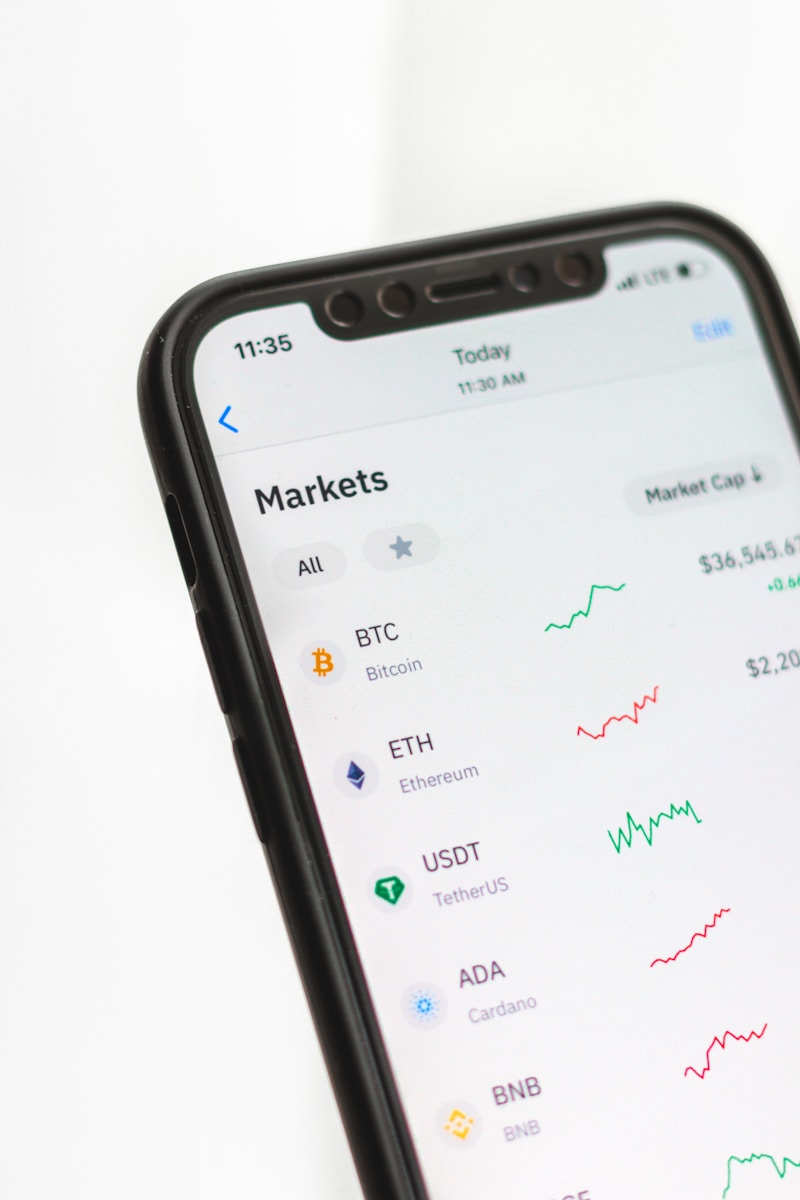
When Bitcoin fell from its all-time high of $126,000 in late 2025 to a local low of $58,076, mainstream financial media declared the end of the crypto cycle. Retail traders, panicked by double-digit red days, liquidated positions in mass. Yet, as the price consolidated around $62,500, seasoned analysts recognized the pattern. This is not a structural bear market, but a classic mid-cycle reset. Understanding the difference between a cycle-ending top and a mid-cycle flush is the key to surviving crypto volatility. By flushing out high-leverage positions and resetting funding rates, consolidation periods build the foundation for the next leg up. This article analyzes the macroeconomic factors driving the reset, historical precedents, and how to read market indicators.
Key Takeaways
- Macroeconomic Drivers: Hotter US PCE inflation at 4.1% and record ETF outflows forced a healthy flush of late-cycle leverage.
- Market Sentiment: The Crypto Fear and Greed Index hit a low of 10 (Extreme Fear) before stabilizing at 23, signalling a typical accumulation zone.
- Structural Health: Historical data suggests mid-cycle consolidations are necessary resets that support long-term trend sustainability.
The Core Event Explained
The correction that drove Bitcoin down to its local bottom of $58,076 was not caused by a single event, but by a combination of macroeconomic factors. First, the US Personal Consumption Expenditures (PCE) inflation index came in higher than expected at 4.1%. This data forced the Federal Reserve to hold interest rates higher for longer, reducing the demand for speculative assets.
Second, the market experienced record outflows from spot Bitcoin ETFs. Institutional buyers, who entered the market in early 2024, reduced exposure as yields on sovereign debt rose. This institutional pullback triggered automated sell orders, leading to liquidations across retail trading desks.
Finally, several corporate treasuries liquidated portions of their Bitcoin holdings to maintain cash liquidity amid tightening credit conditions. This selling pressure occurred during a period of lower summer liquidity, amplifying price moves. Despite this pressure, the consolidation around $62,500 demonstrates strong buyer demand, indicating a floor has been established.
Technical and Market Breakdown
Mid-cycle resets are common occurrences in Bitcoin's price history. During these phases, the market consolidates to digest previous gains and shake out speculative leverage. This reset is visible in both the funding rates of perpetual futures and sentiment indicators.
During the drop to $58,076, the Crypto Fear and Greed Index hit a low of 10 (Extreme Fear). This was the lowest reading since the market bottoms of 2022. As prices consolidated around $62,500, the index recovered to 23, showing a gradual return of buyer confidence.
Historically, double-digit sentiment readings have coincided with local market bottoms:
| Cycle Year | Mid-Cycle Drawdown % | Lowest Fear & Greed Index |
|---|---|---|
| 2013 | -73% (Double bubble reset) | N/A (Pre-index era) |
| 2017 | -38% (Multiple resets) | 12 (Extreme Fear) |
| 2020 | -63% (COVID crash reset) | 8 (Extreme Fear) |
| 2026 (Current) | -53% (Post-ATH reset) | 10 (Extreme Fear) |
This table shows that significant mid-cycle corrections are a normal part of Bitcoin's macro structure. By flushing out late-stage longs, the market resets liquidity pools and builds support for sustainable growth.
The Future Outlook and Implications
The next 6 to 12 months are likely to see a return to a structural uptrend as macroeconomic headwinds clear. If US PCE inflation cools toward the Fed's target, it will open the door for interest rate cuts. Lower rates will increase global liquidity, driving capital back into high-beta technology assets.
Additionally, the institutional stabilization of spot ETFs will continue. Once wealth managers complete their client asset reviews, we expect inflows to resume, providing a baseline of demand.
Furthermore, the supply dynamics from the recent halving will begin to impact exchange inventories. As new supply remains restricted, even a moderate increase in demand can lead to upward price pressure.
Actionable Strategy for Readers
To navigate this consolidation phase, we recommend the following approach:
- Spot Accumulators: Use dollar-cost averaging (DCA) to build positions during consolidation phases. Accumulating when sentiment is in the "Extreme Fear" zone has historically yielded strong results.
- Leverage Traders: Avoid high leverage during consolidation ranges. Volatility can trigger stop-outs in both directions before a clear trend emerges.
- Risk Management: Focus on portfolio diversification and use secure institutional custody solutions to protect your assets.
Conclusion
Bitcoin's consolidation around $62,500 is a classic mid-cycle reset. While the drop from $126,000 was severe, the underlying market structure remains healthy. By flushing out leverage and resetting sentiment, the market is building support for the next phase of the cycle.
Do you think Bitcoin will break above $100,000 before the end of the year, or will consolidation continue? Share your thoughts in the comments below.
Start Recovering Lost Wallets
Recovalet scans dormant BTC & ETH wallets with AI-powered server clusters. Submit your own lost wallet from the dashboard.