RWA Tokenization: Unlocking Liquidity in Physical Assets
Recovalet Lab Technical Report
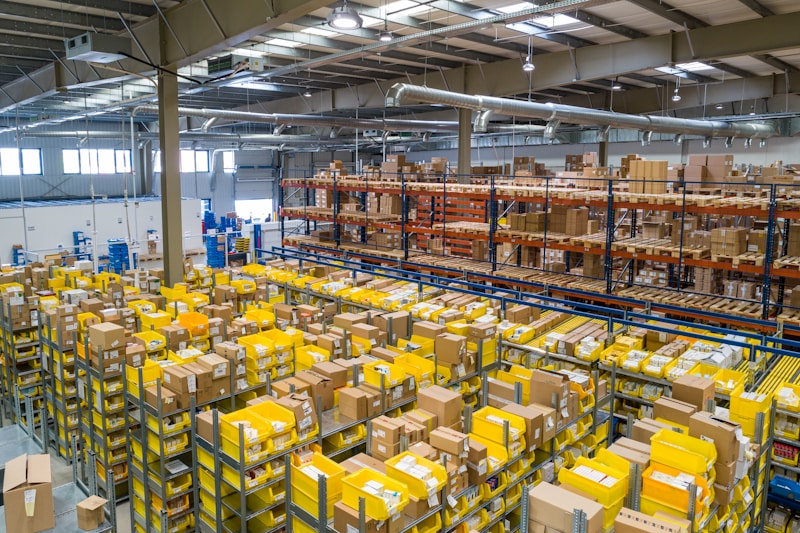
Traditional corporate finance has long been constrained by illiquid assets. Multi-million dollar shipping cargo bills, commercial real estate portfolios, and trade receivables trap billions of dollars in capital because of slow paper-based auditing cycles. These assets often require weeks or months to clear, limiting operational agility. The rise of Real-World Asset (RWA) tokenization offers a major structural solution. By converting physical and financial assets into digital ledger representations, companies can unlock trapped capital. This transition allows corporate treasuries to issue, trade, and settle assets instantly on global public blockchains. For yield-seeking investors and corporate finance teams, RWA tokenization represents a shift from speculative digital tokens to tangible asset-backed finance. This article analyzes the mechanics of RWA tokenization, the lifecycle of tokenized assets, and the long-term impact on global capital markets.
Key Takeaways
- Unlocking Trapped Capital: Tokenization fractionalizes high-value physical assets, turning slow paper-based contracts into liquid digital representations.
- Automated Compliance: Smart contracts ensure that regulatory requirements and KYC rules are enforced directly on-chain during every transaction.
- Corporate Yield Focus: Institutional capital is bypassing speculative coins to focus on yield-bearing RWA products like tokenized bank deposits.
The Core Event Explained
Real-World Asset (RWA) tokenization has emerged as a key trend in corporate finance, with major global banking institutions actively deploying yield-bearing products on public blockchains. While retail interest remains focused on volatile tokens, commercial finance is building digital ledger representations of tangible assets.
The growth in tokenized products is driven by the search for efficiency. Traditional trade finance and real estate investments are hindered by administrative friction. RWA tokenization addresses this by converting these assets into fractionalized tokens, lowering entry barriers and enabling faster transaction speeds.
The growth of the RWA sector is supported by three key areas:
- Tokenized Bank Deposits: Commercial banks are issuing digital representations of deposits to enable instant settlement between corporate entities.
- Trade Finance Receivables: Fractionalizing shipping cargo bills and trade invoices allows businesses to sell their receivables to global liquidity pools instantly.
- Commercial Real Estate: Tokenizing property ownership enables investors to purchase fractional shares in office buildings and logistics hubs, lowering capital requirements.
By bringing these assets on-chain, corporate treasurers can access global liquidity and reduce borrowing costs, bypassing traditional intermediary banks.
Technical and Market Breakdown
The mechanics of RWA tokenization require a reliable connection between physical assets and public blockchains. This connection is maintained through legal contracts, independent custodians, and smart contract design.
The tokenization lifecycle involves four primary steps to ensure transparency and security:
- Asset Valuation: An independent auditor verifies the value and legal ownership of the physical asset.
- Custodian Verification: The physical asset or legal contract is secured by a regulated third-party custodian.
- Token Minting: A smart contract mints digital tokens representing fractional ownership of the audited asset.
- On-Chain Settlement: The tokens are distributed to verified wallets, with compliance rules coded directly into the token structure.
Below is the operational flow of a standard RWA tokenization transaction:
| Lifecycle Phase | Core Process | Infrastructure Role |
|---|---|---|
| 1. Origination | Legal registration, audit of physical asset, and custodian locking | Independent auditing and regulated vaults |
| 2. Issuance | Smart contract codes compliance rules, KYC requirements, and mints tokens | ERC-3643 or custom security token standards |
| 3. Secondary Trading | Peer-to-peer trading between verified accounts on regulated networks | Decentralized exchanges and orderbook matching systems |
By coding compliance rules directly into the token smart contracts, issuers ensure that only verified accounts can purchase or transfer the tokens, protecting regulatory compliance.
The Future Outlook and Implications
The next 6 to 12 months will see a significant increase in institutional RWA deployments. We expect major investment firms to transition their treasury operations onto public ledgers, using tokenized money market funds for yield management.
This trend has significant implications for global liquidity pools. By connecting traditional finance with Web3, tokenization allows capital to flow between markets, lowering transaction costs and increasing capital efficiency.
Furthermore, the integration of tokenized bank deposits will continue. As commercial banks launch their own ledger systems, cross-border corporate payments will settle instantly, reducing the reliance on traditional clearing networks.
Actionable Strategy for Readers
To position your portfolio for the growth of RWAs, we recommend the following approach:
- For Corporate Treasurers: Explore tokenizing short-term invoices or trade receivables to access cheaper financing from global decentralized markets.
- For Yield Investors: Allocate capital toward audited, institutional-grade RWA platforms that offer yield backed by tangible physical assets.
- For Web3 Developers: Build developer tools and oracle networks that focus on secure physical asset valuation and automated compliance.
Conclusion
RWA tokenization is transforming how global capital markets manage physical and financial assets. By converting slow, paper-based contracts into liquid digital representations, tokenization is unlocking billions in trapped liquidity. The future of decentralized finance belongs to audited, asset-backed yields.
Do you think tokenized real-world assets will eventually surpass speculative cryptocurrencies in total transaction volume? Share your thoughts in the comments below.
Start Recovering Lost Wallets
Recovalet scans dormant BTC & ETH wallets with AI-powered server clusters. Submit your own lost wallet from the dashboard.